
Teeth Whitening is never treated as a routine, one-size-fits-all procedure because every smile is biologically different. The natural shade of teeth varies from person to person, and so do the factors that influence colour change over time.
Surface staining from tea, coffee, or smoking behaves differently from deeper internal discolouration caused by ageing, medication, or trauma. Even the thickness and translucency of enamel can influence how light or dark teeth appear. For this reason, a thorough assessment is always the starting point.
During an initial evaluation, the dental professional considers your oral health, existing restorations, previous dental treatments, and the nature of your staining. Fillings, crowns, veneers, and bonding do not respond to whitening agents in the same way as natural enamel, so this must be factored into treatment planning. The aim is not simply to make teeth lighter, but to create a balanced, natural-looking improvement that complements your features and maintains harmony across the smile.
Many people experience visible and satisfying results after a single structured course of treatment. Others may benefit from a combined approach that includes both supervised in-clinic application and carefully guided take-home trays. The decision depends on lifestyle, sensitivity levels, staining type, and personal goals. In every case, the process is measured and monitored to ensure comfort, safety, and gradual, even shade improvement.
Comfort is a priority throughout. Modern whitening systems are designed to minimise irritation, and any history of tooth sensitivity is taken seriously. Advice on preparation and aftercare plays an important role in maintaining results. Simple measures, such as avoiding strong staining foods immediately after treatment and following oral hygiene guidance, can extend the brightness achieved.
Most importantly, realistic expectations are discussed openly. Whitening can significantly enhance a smile, but it works within the limits of natural tooth structure. A professional consultation ensures that you understand what can be achieved safely and whether the treatment is appropriate for you. If you have specific dental conditions, gum concerns, or extensive restorations, a registered dental professional can guide you toward the most suitable pathway, always prioritising long-term oral health alongside aesthetic improvement.
What is Teeth Whitening?
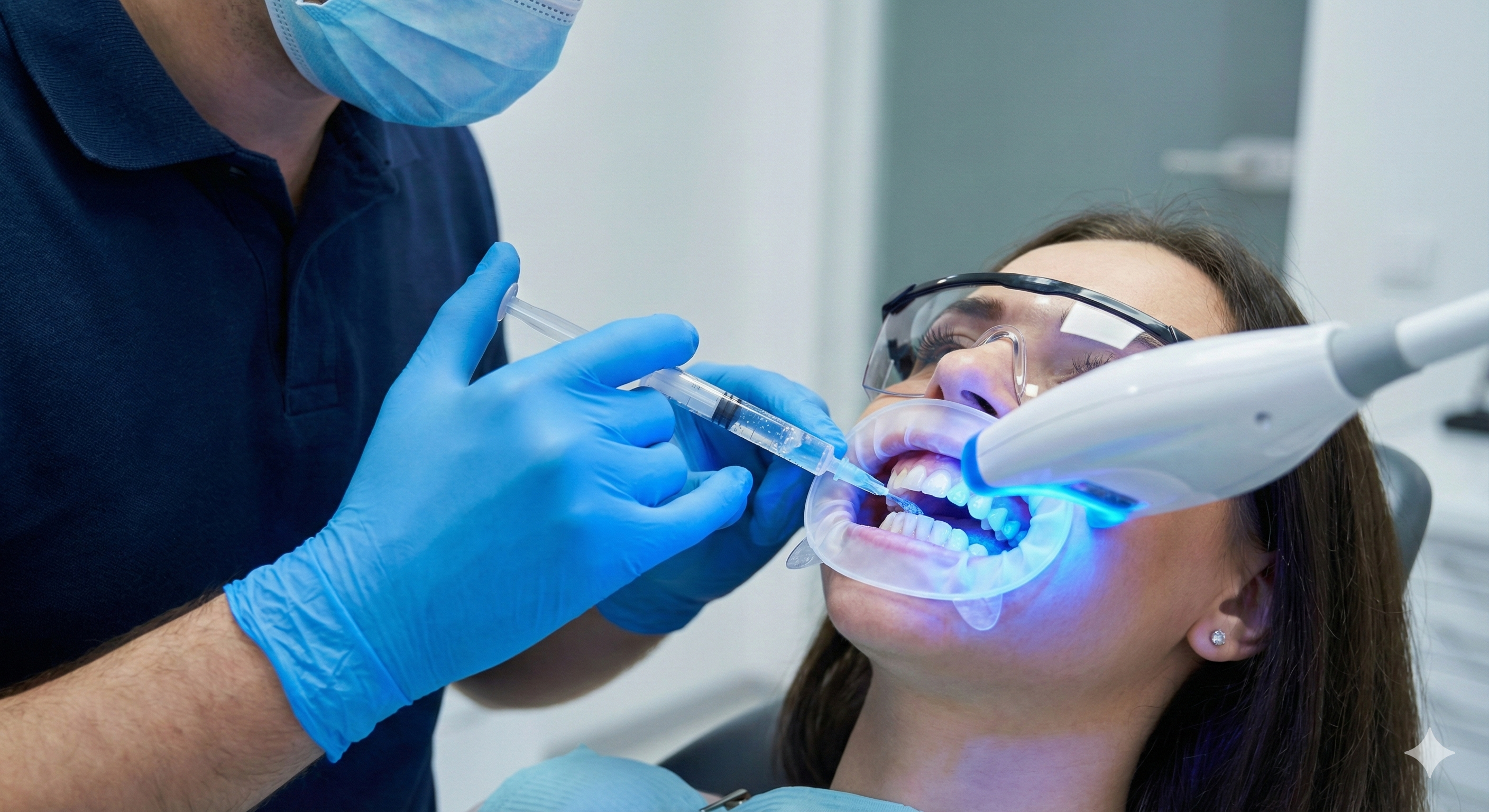
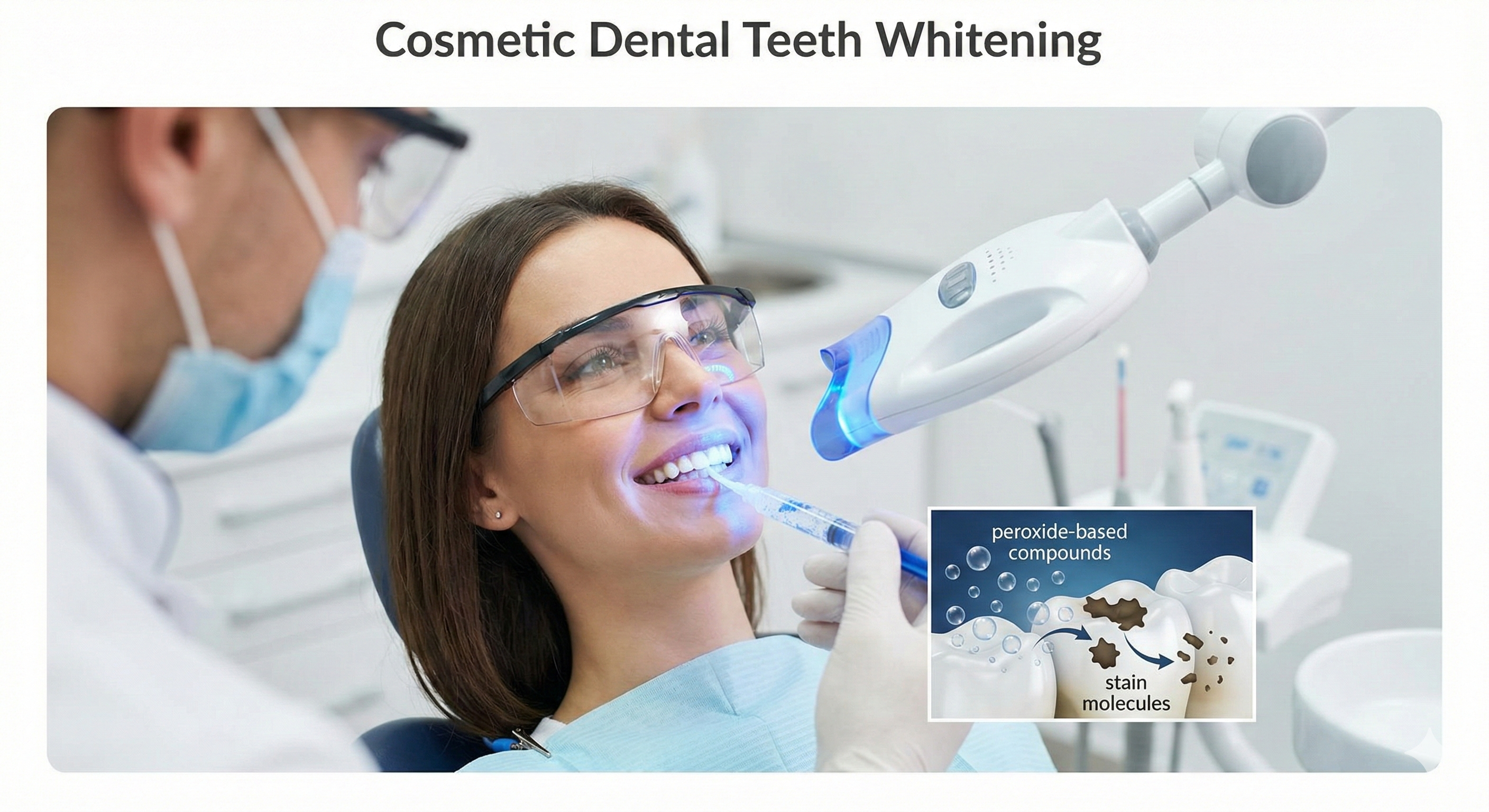
Teeth Whitening is a cosmetic dental process that lightens the natural colour of teeth. It addresses extrinsic stains, those on the surface from food, drink, or tobacco, and some intrinsic discoloration that sits deeper within the tooth. The most commonly used safe agents are peroxide-based compounds that oxidise pigmented molecules in enamel and dentine. Under professional supervision, these agents break down complex stain molecules into smaller, less-coloured fragments, producing a visibly lighter shade over a series of applications or a single professionally delivered session.
How It Works – Simply Explained
To understand how teeth Whitening works, it helps to first understand the structure of a tooth. The outermost layer, known as enamel, is a highly mineralised surface that protects the inner parts of the tooth. Although enamel appears smooth and solid, it is actually slightly porous at a microscopic level. These tiny pores can absorb and hold pigmented molecules from everyday sources such as tea, coffee, red wine, tobacco, and strongly coloured foods. Over time, these pigments accumulate and alter the way light reflects off the tooth surface, making teeth appear darker, duller, or more yellow.
Beneath the enamel lies dentine, a naturally darker, more yellow-toned layer that significantly influences the overall colour of a tooth. Enamel is somewhat translucent, meaning that the shade of dentine underneath plays a large role in how white or bright a tooth looks. As enamel becomes thinner with age or wear, the dentine can show through more clearly, contributing to a darker appearance.
Whitening treatments work through a carefully controlled chemical process. The active ingredients commonly used are hydrogen peroxide or carbamide peroxide (which breaks down into hydrogen peroxide). These whitening agents penetrate the porous enamel and release oxygen molecules. This process, known as oxidation, breaks down large, complex pigmented molecules into smaller, less intensely coloured fragments. Once these stain molecules are altered, they absorb less light and reflect more, giving the tooth a visibly lighter appearance.
Importantly, whitening agents do not physically remove enamel or “bleach” teeth in the way household bleach works on fabrics. Instead, they chemically alter the compounds responsible for discolouration. When used under professional guidance, the process is designed to be both effective and safe for the surrounding tissues.
Different delivery methods influence how quickly and how dramatically results appear. In-chair whitening treatments typically use higher concentrations of whitening gel under professional supervision, allowing for noticeable results in a shorter time. Take-home tray systems provided by dental professionals use a lower concentration gel over a longer period, producing gradual, controlled Whitening. Over-the-counter products generally contain lower concentrations and may require extended use to achieve subtle improvements.
The speed and degree of Whitening depend on factors such as the original tooth shade, the type of staining, enamel thickness, and consistency of application. With appropriate assessment and proper use, Whitening can safely enhance the natural brightness of a smile while maintaining tooth integrity.
Types of Stains and Typical Responses
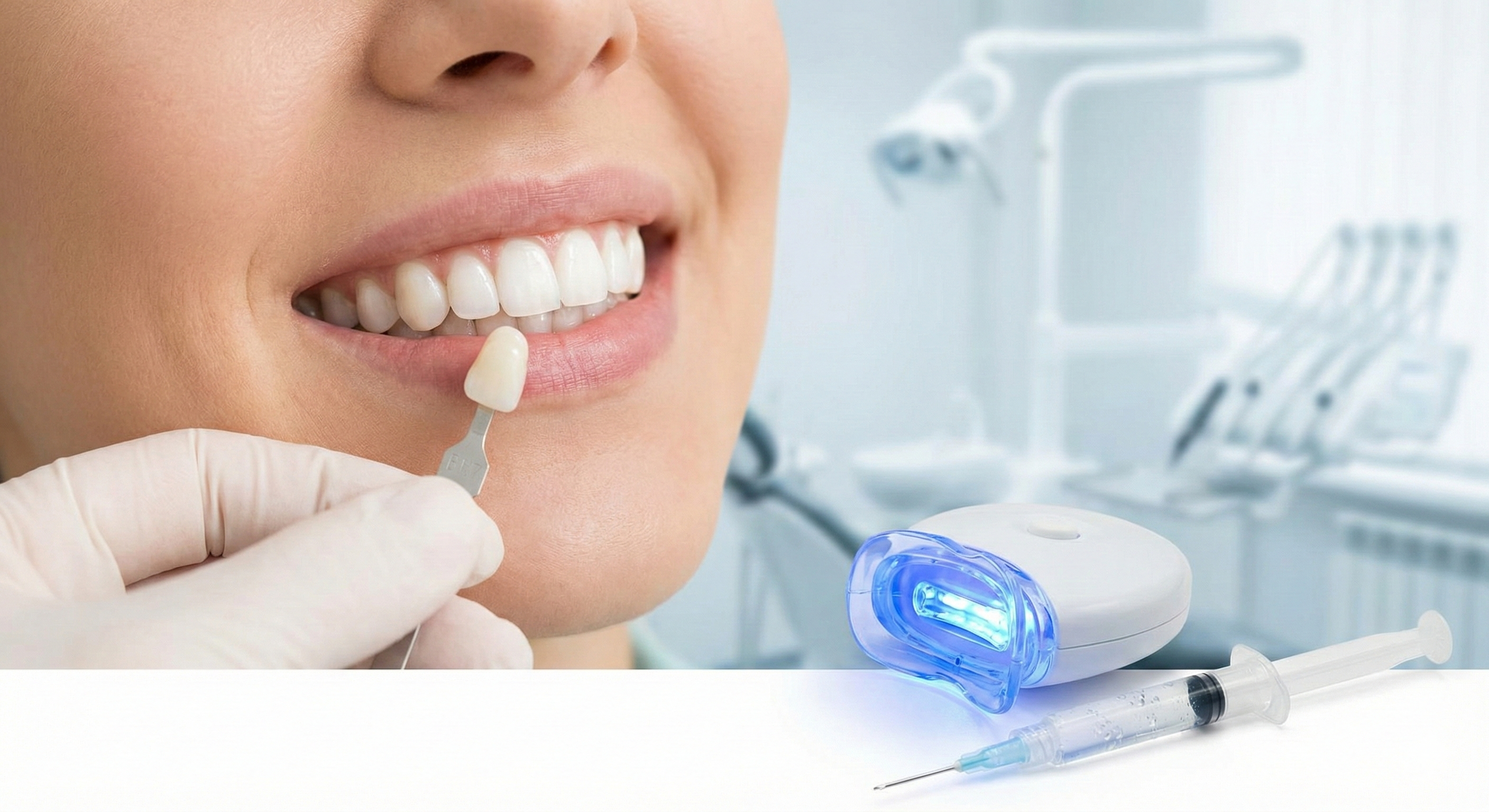
Extrinsic Stains
Surface stains from coffee, tea, red wine, tobacco, and certain foods often respond well to Whitening.
Intrinsic Stains
Stains from trauma, certain antibiotics taken in childhood, or fluorosis can be more resistant and may require tailored approaches or combinations of treatment.
Age-Related Darkening
Commonly improved by Whitening but may need maintenance sessions to sustain the effect.
What Whitening Does and Does Not Do
Whitening lightens natural tooth structure but does not change the colour of existing restorations such as crowns, veneers, or composite fillings. If you have visible restorations on front teeth, discuss restoration replacement or matching options with your dental team after Whitening. Also, Whitening aims to improve shade rather than create an unnaturally bright colour; realistic outcomes produce a refreshed, natural-looking result that complements your facial features.
Timing and Rhythm
Some people achieve noticeable improvement in one professional session; others follow a short course of take-home trays supervised by a dental professional. The speed of change is affected by initial stain type, chosen method, and individual tooth reaction. Patience and realistic expectations usually produce the most satisfying outcomes.
Who Supervises Whitening?
Because products and concentrations vary, professional oversight is important. A registered dental professional assesses oral health, identifies unsuitable conditions (such as active decay or gum disease), and recommends the safest and most effective method. Clinical supervision helps manage sensitivity and ensures any restorations are considered in the treatment plan.
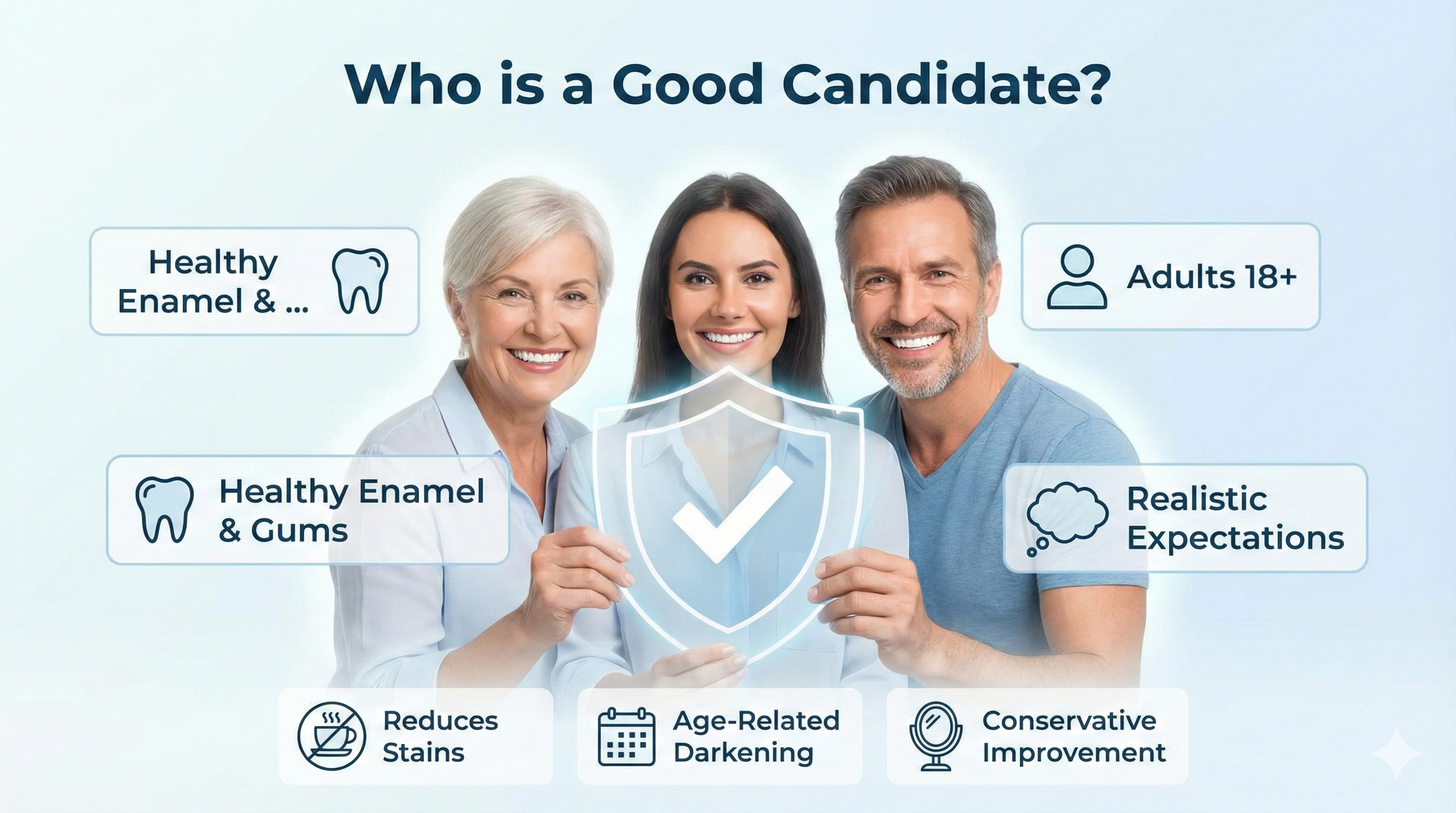
Who is a Good Candidate?
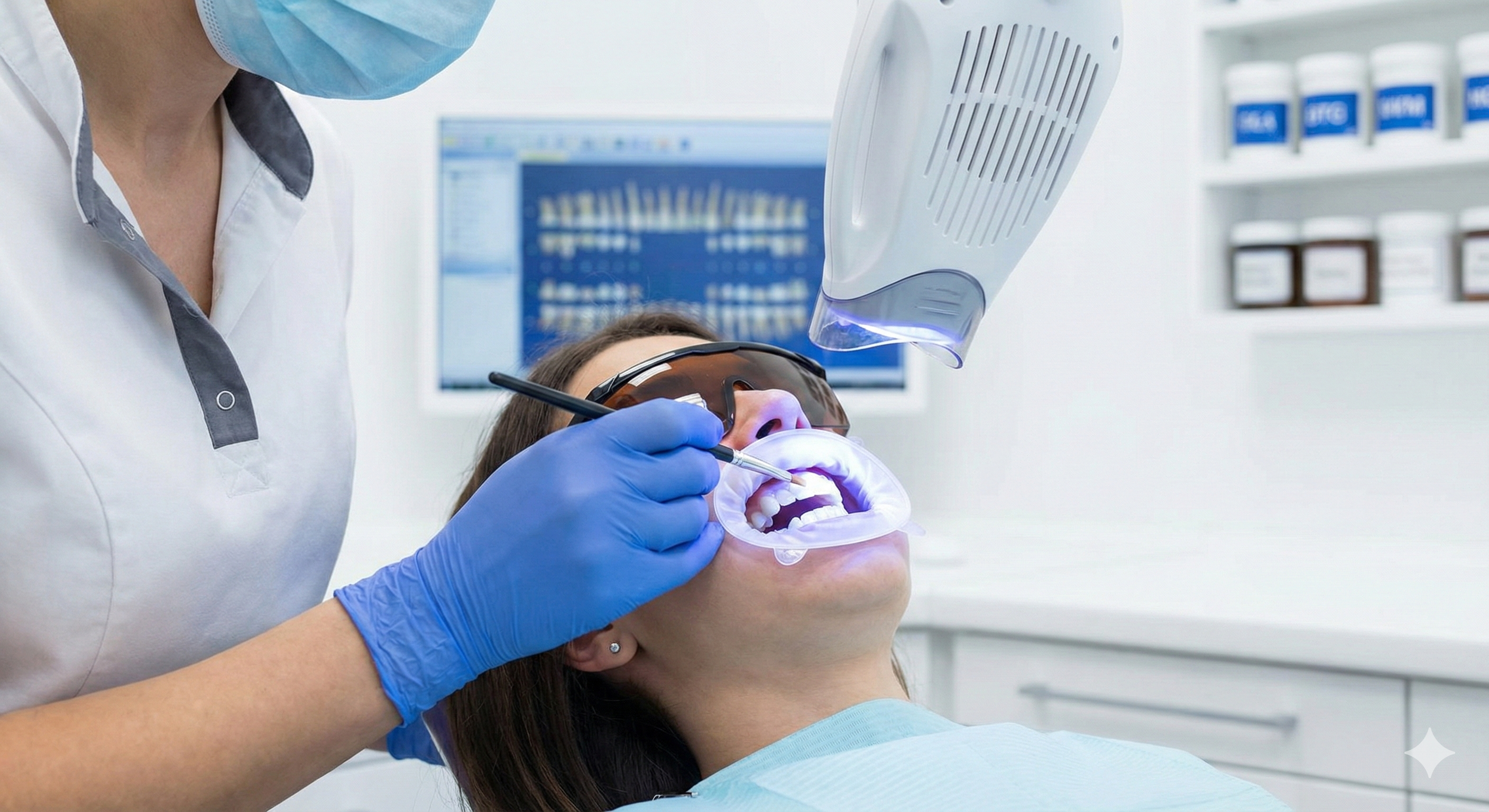
Good candidates for Teeth Whitening are adults in reasonable oral health who want to reduce staining and improve tooth shade without invasive procedures. Typical candidates: those with extrinsic staining from food and drink, people with age-related darkening, and individuals who want a conservative cosmetic improvement.
Inclusion Factors
- Healthy enamel and gums: Teeth Whitening works best when gum inflammation and tooth decay are absent or treated first.
- Realistic expectations: Candidates should seek improvement rather than perfection; a natural-looking lighter shade is the aim.
- Completed dental work on the front teeth is considered: If you have crowns, veneers, large fillings, or bonding on visible teeth, discuss how their colour might interact with whitening results. Restorations do not whiten and may need replacement for a uniform appearance.
Exclusion and Caution
- Under 18s: Many guidelines recommend caution with minors; professional advice is advised before any whitening for younger people.
- Active dental disease: Untreated cavities, gum disease, or exposed root surfaces should be managed before whitening to avoid discomfort and ensure safety.
- Pregnant or breastfeeding individuals: Many professionals recommend deferring cosmetic Whitening until after breastfeeding for precautionary reasons; consult your dental professional for personalised guidance.
- Known allergies or reactions: If you have a history of allergic reactions to whitening components, alternative approaches should be considered.
- Severe intrinsic stains: Some types of deep discoloration may respond poorly; alternatives such as restorative options may be more appropriate.
Sensitivity and Management
Tooth sensitivity is a common, usually temporary side effect. Those with a history of sensitivity can often undergo Whitening with precautions: lower-strength preparations, shorter contact times, desensitising agents, or staged treatment. Discussing sensitivity history during consultation helps tailor a comfortable plan.
Setting Expectations
Teeth Whitening is most effective for natural teeth and for stains caused by surface or age-related changes. It typically improves colour noticeably while preserving tooth form and structure. A pre-treatment assessment from a registered dental professional helps ensure the chosen method suits your teeth and that expectations match likely outcomes.
Types of Teeth Whitening Available
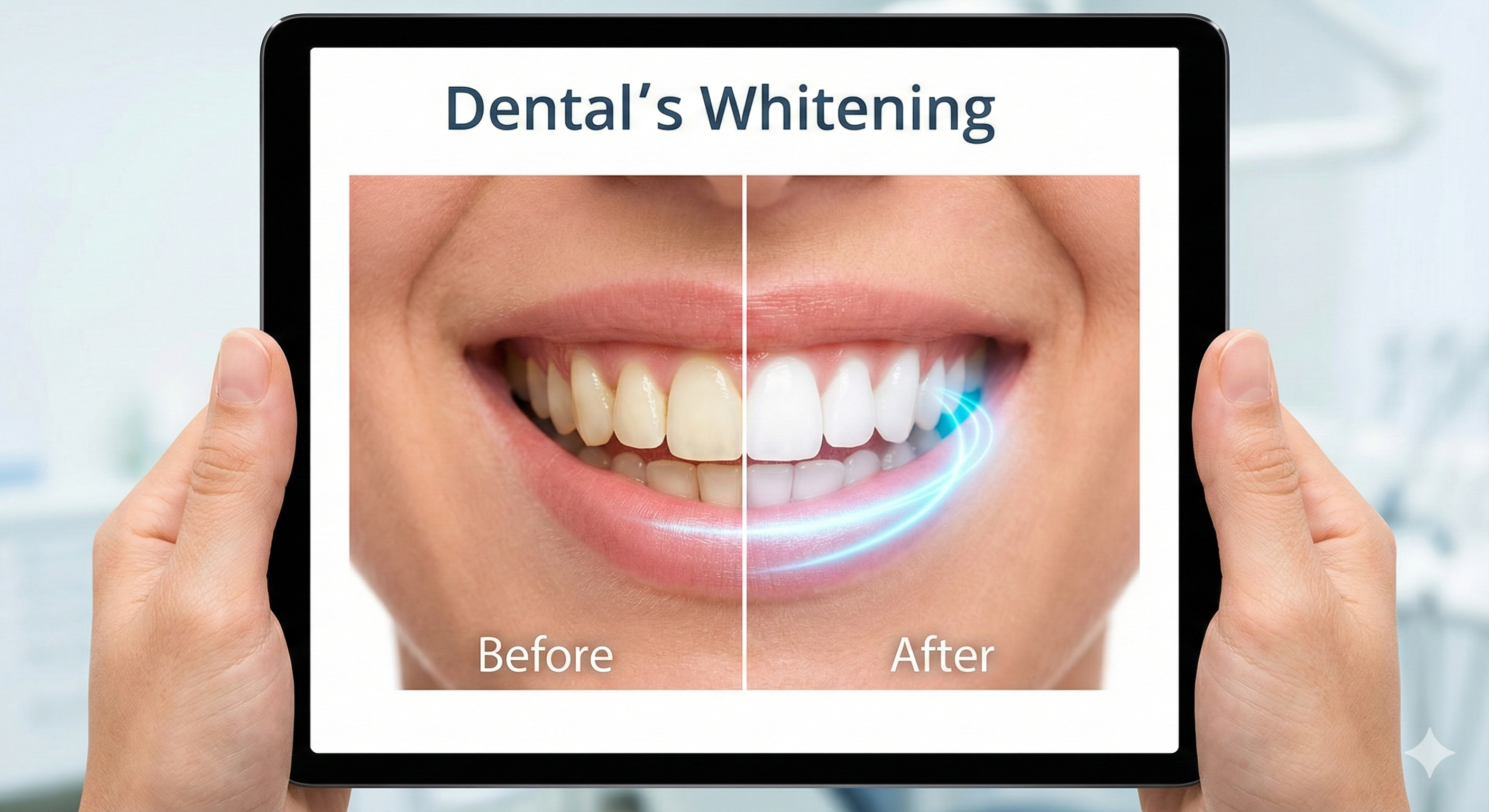
Professional In-Chair Whitening
In-clinic Whitening uses higher concentration peroxide gels applied by a dental professional, often with controlled activation methods and protective isolation of soft tissues. Sessions are performed in a clinical setting with trained staff.
Pros: Faster visible results; often a meaningful change in one visit. Professional isolation reduces gum irritation and improves comfort. Close supervision allows immediate management of sensitivity or adverse effects.
Cons: May require follow-up or take-home maintenance to sustain the result. Not all stains respond fully to a single in-chair session; sometimes, combined approaches are best.
Take-Home Whitening Supervised by a Dental Professional
A widely used approach where a dental professional provides custom-made trays and a peroxide gel of clinically appropriate concentration. The trays are worn at home for specified times, typically overnight or for a few hours daily, depending on the gel strength and clinical recommendations.
Pros: Custom trays offer even contact and controlled dosing. Gradual Whitening can reduce sensitivity compared with higher-concentration single-session options. Easy to repeat for maintenance under professional guidance.
Cons: Slower than in-chair treatment; requires adherence to the regimen. Results vary with wear time and initial tooth colour.
Combined Approach
Many patients combine an in-chair session for an initial boost followed by supervised take-home trays for consolidation and maintenance. This uses the strengths of both methods: rapid initial change and controlled longer-term management.
Over-the-Counter (OTC) Maintenance Options (Safe, Low Concentration)
Low-strength, widely available options such as whitening toothpaste, rinses, and gentle strips or paint-on products intended for maintenance rather than major Whitening. These products may reduce surface staining and help prolong professional results.
- Pros: Easy to use and accessible for ongoing upkeep. Lower risk of severe sensitivity when used as directed. Useful for preventing relapse from staining foods and drinks.
- Cons: Limited whitening power compared with professionally supervised methods. Some OTC devices lack a consistent fit or reliable delivery, reducing effectiveness.
Comparing Strengths and Suitability
- Concentration and contact time: Professional treatments use higher concentrations and controlled contact; take-home trays use moderate strength with longer contact; OTC products are low strength for maintenance.
- Speed: In-clinic is fastest, supervised take-home is steady, OTC is gradual or maintenance-only.
- Control and customisation: Professional supervision allows tailored treatment plans, addressing sensitivity and restorations effectively.
Practical Considerations
- Restorations: Because crowns and veneers do not bleach, discuss a comprehensive plan with the dental team if you have visible restorations.
- Sensitivity: If sensitivity is a concern, a staged or take-home plan with desensitising regimens may be best.
- Lifestyle: Regular consumers of staining drinks may prefer a maintenance plan that includes periodic touch-ups under supervision.
Making a Choice
A registered dental professional will consider your oral health, expected outcome, sensitivity history, and daily routine when recommending one of the above routes. Many people find the combined path balances speed, comfort, and long-term satisfaction.
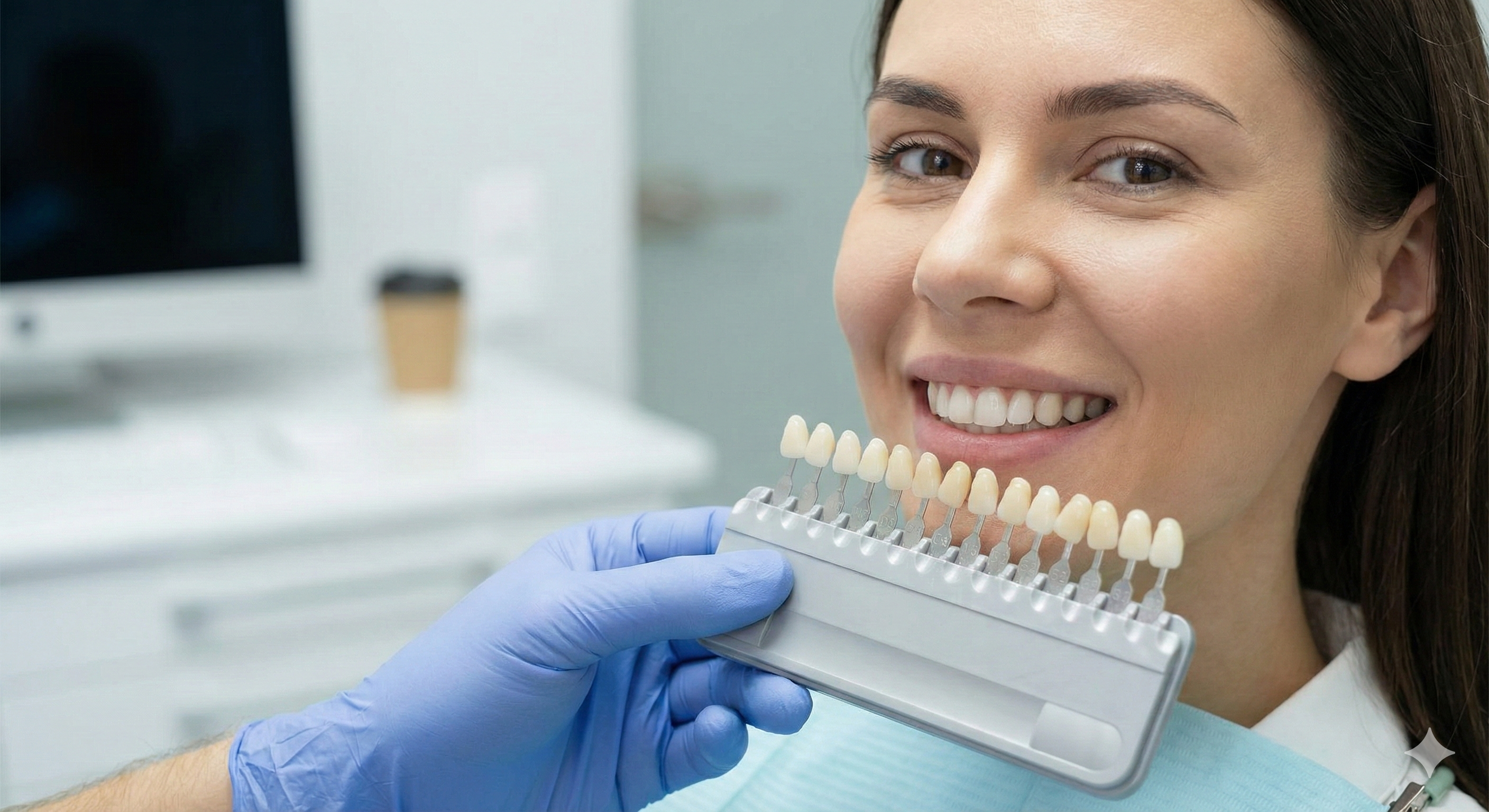
Step-by-Step Patient Journey from Consultation to Aftercare
Initial Consultation
The journey begins with an assessment. A registered dental professional evaluates oral health, checks for decay, gum disease, damaged enamel or exposed roots, and reviews previous dental restorations. Photos or shade matching may be taken to set a starting point. The clinician discusses goals, explains options, and outlines likely outcomes and any risks, including sensitivity.
Pre-Treatment Preparation
If active disease or untreated decay is found, these conditions are addressed first. Existing restorations are noted and discussed since fillings, crowns, and veneers will not respond to Whitening, adjustment of expectations or planning for restoration replacement may be part of preparation. The clinician advises on pre-treatment cleaning to remove surface plaque and tartar, which can improve whitening uniformity.
Choosing the Method
Once suitability is confirmed, you and the clinician select a method: an in-clinic session, supervised take-home trays, or a combined approach. The clinician explains the schedule, expected degree of change, and likely sensitivity. Custom trays are often made from impressions during the appointment if take-home treatment is chosen.
In-Clinic Treatment (If Selected)
On the day of treatment, soft tissues are protected, and a whitening gel is applied. The clinician monitors the process and uses multiple short applications or a single longer application, depending on the chosen system. Comfort is reviewed throughout; if sensitivity arises, the clinician will adjust the approach. Sessions typically last from 30 minutes to 90 minutes, depending on the protocol.
Take-Home Regimen (If Selected)
Custom trays are fitted, and the clinician demonstrates gel placement and wear time. Clear written instructions are provided for safe home use how much gel to use, how long to wear trays, and how to clean them. You’ll be advised on what to expect during treatment, including temporary sensitivity.
Aftercare and Immediate Measures
After each whitening application or session, clinicians often recommend gentle oral hygiene, avoiding highly acidic or highly pigmented foods and drinks for a short period, and using desensitising toothpaste if sensitivity appears. Mild gum irritation is usually transient following in-clinic isolation contact and should settle quickly.
Follow-Up and Consolidation
A follow-up assessment allows the clinician to check shade changes and address any concerns. If a take-home course is part of the plan, the dental professional may supply additional gel or recommend timing for a top-up. Restorative work, such as replacement of composite or veneers to match the new shade, is usually scheduled after Whitening is complete and the new shade has stabilised.
Long-Term Maintenance
Maintenance strategies include periodic supervised top-ups with take-home trays, selective use of OTC maintenance products, and lifestyle adjustments to reduce staining. The dental team provides personalised guidance on when a touch-up might be helpful, often based on staining habits and individual preferences.
Comfort and Patient Experience
Clinicians aim to make the process comfortable. Effective communication about sensitivity, realistic timings, and expected sensations helps minimise anxiety. If sensitivity is pronounced, clinicians can pause treatment, apply desensitising agents, or reduce contact times and concentration to maintain comfort.
Safety, Regulation & Professional Oversight
Clinical Supervision Matters
Because concentration and delivery affect both effectiveness and safety, Teeth Whitening under the guidance of a registered dental professional offers safeguards. A clinician confirms oral health status, selects appropriate concentrations, and monitors for adverse reactions. Professional oversight reduces the chance of gum irritation, uneven results, and unexpected sensitivity.
Regulation and Product Standards
Products used by dental professionals are selected for safety and efficacy. Regulations and professional guidance vary by jurisdiction, but common principles include using clinically appropriate concentrations appropriately, avoiding use on unsuited patients, and ensuring accurate patient records and informed consent. A dental professional can explain local regulatory considerations as part of the consultation.
When to Seek Dental Advice
- Recent tooth trauma.
- Extensive restorations on front teeth.
- Active gum disease, severe sensitivity, or untreated decay.
- Medical conditions or medications that affect oral health.
Managing Sensitivity and Soft Tissue Reactions
Sensitivity is usually temporary and often manageable with desensitising toothpaste, topical agents, or changes to the treatment plan. Clinicians routinely test for sensitivity and may recommend patching techniques, lower-strength gels, or staged regimens to prevent discomfort. Gum irritation is minimised by careful soft tissue protection and professional application techniques.
Record Keeping and Informed Consent
A reputable clinician documents the planned treatment, expected outcomes, and any risks. You should feel informed about likely results and aftercare. If alternative cosmetic or restorative options are more appropriate for intrinsic staining, the clinician explains those routes.
Legal and Ethical Boundaries
Teeth Whitening should be delivered within local legal frameworks and by appropriately trained professionals. Where regulations limit certain concentrations or methods, professionals will adhere to the law and choose safe alternatives. Ethical practice emphasises patient welfare, realistic promises, and clear informed consent.
Results You Can Expect
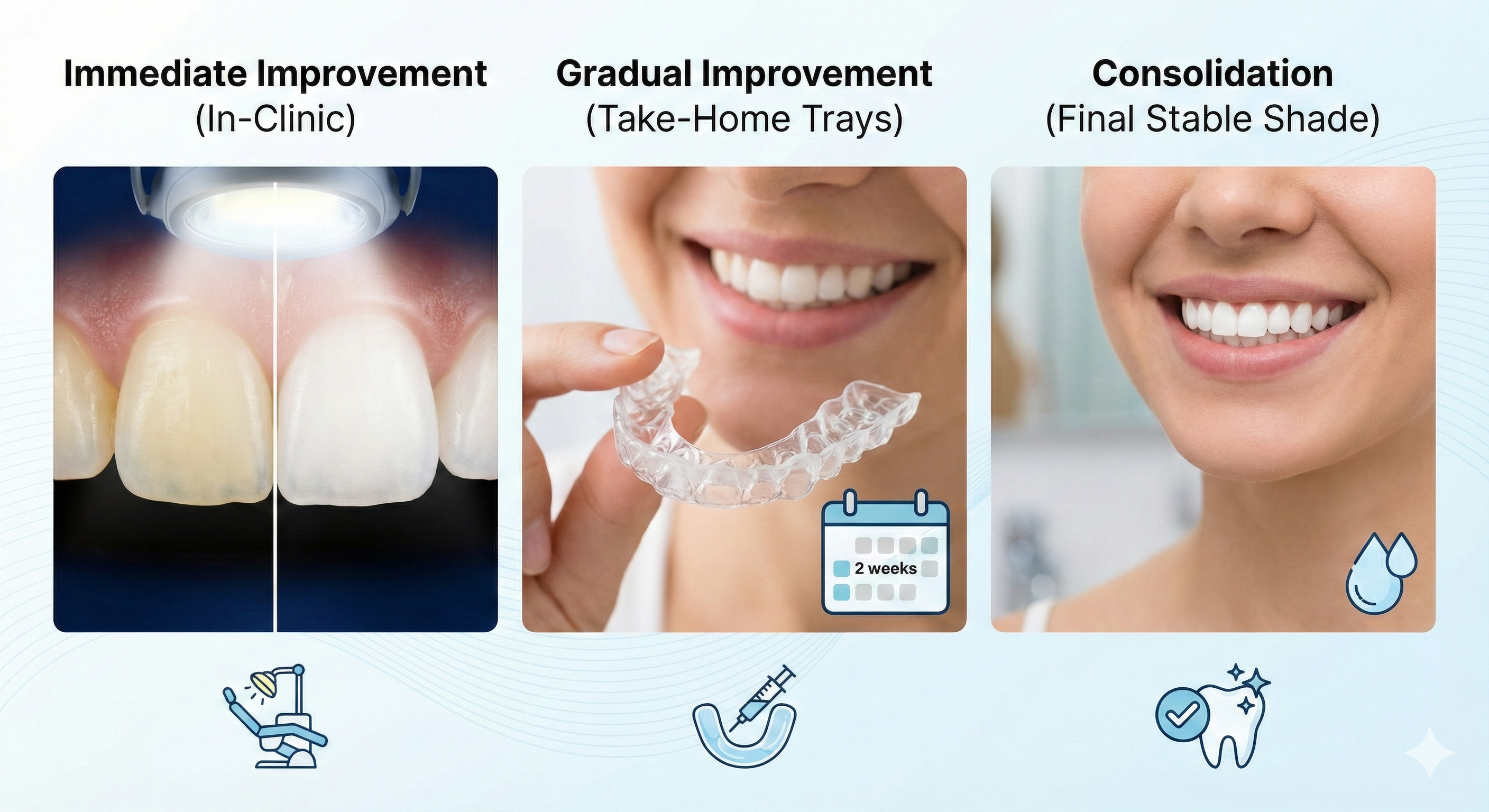
Immediate Improvement
Many people notice a visible change after a single in-clinic session.
Gradual Improvement
Supervised take-home trays often produce progressive lightening over one to two weeks.
Consolidation
Final shade may stabilise a few weeks after treatment as tooth hydration returns to normal.
How Much Change is Realistic?
Most patients experience a perceptible brightening that looks natural. The amount of shade improvement depends on stain type: surface stains often respond well; deep intrinsic stains may show limited change and sometimes need restorative solutions for full correction. Professional guidance helps set a realistic target shade that complements facial tone.
Visual Documentation
Before-and-after photos help set expectations and document outcomes. Such images should be used with permission and depicted honestly; photographs help illustrate likely degrees of improvement rather than guaranteeing identical results.
Variability and Maintenance
Individual biology, habits, and restorations influence results. Smokers or regular coffee and red wine drinkers may see earlier relapse of staining and may prefer a maintenance regimen. Occasional touch-ups under professional supervision can extend the visible improvement.
Common Concerns & FAQs
What is Teeth Whitening, and how long does it take?
Teeth Whitening is a clinical process that lightens natural tooth colour. Time depends on the method: an in-clinic session can show results in one appointment, while supervised take-home trays usually work over several days to two weeks. Your clinician will advise the best schedule for your goals and sensitivity tolerance.
Does Teeth Whitening damage enamel?
When carried out under professional guidance and using appropriate concentrations, Whitening does not damage healthy enamel. Temporary sensitivity may occur; long-term harm is unlikely when a dental professional assesses suitability and monitors treatment.
Will Whitening affect crowns or fillings?
Whitening does not change the colour of crowns, veneers, or composite fillings. If you have visible restorations, discuss how to achieve a uniform result your clinician may recommend matching or replacing restorations after Whitening.
Is Teeth Whitening safe during pregnancy or breastfeeding?
Most clinicians recommend postponing elective Whitening during pregnancy and breastfeeding as a precaution. Speak to a registered dental professional for personalised advice based on current guidance and your circumstances.
How long do results last?
Results vary with diet and habits. With sensible maintenance and occasional supervised top-ups, many people keep a noticeably brighter shade for months to years. Regular staining behaviours shorten longevity.
Will whitening make my teeth sensitive?
Sensitivity is a common, usually temporary effect. It often lessens with desensitising toothpaste, staged treatment, or lower-strength gels. Clinicians can tailor the plan to reduce sensitivity while still achieving results.
Are over-the-counter products effective?
Some OTC products help remove surface stains and are useful for maintenance. They generally offer milder results than professional methods and should be used carefully according to instructions.
Who is not a good candidate for Teeth Whitening?
Those with active decay, untreated gum disease, severe enamel erosion, or extensive unmatching restorations may be advised against Whitening until these issues are managed. Minors and people with certain medical conditions should seek professional advice first.
How should I prepare for a whitening appointment?
Have a dental check-up to ensure oral health is stable. A professional clean often improves outcomes. Bring information about restorations and discuss sensitivity history with your clinician.
Can I whiten just one discoloured tooth?
A single discoloured tooth may need a different approach. Whitening can improve general shade, but one tooth affected by trauma or internal staining may require targeted treatments or restorative options; an assessment will identify the best route.
Maintenance & Longevity
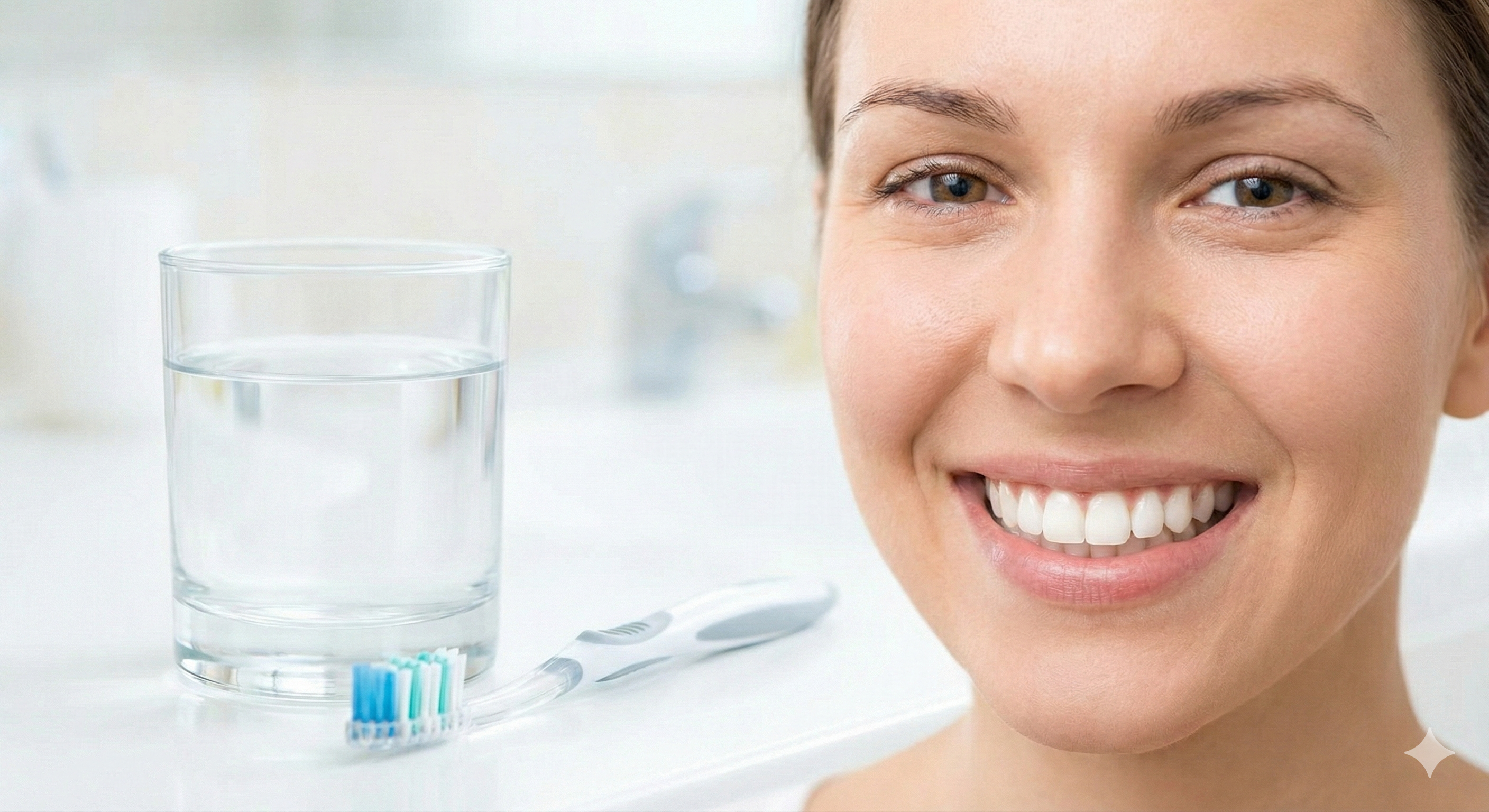
Simple Daily Habits
- Oral hygiene: Regular brushing with fluoride toothpaste and daily interdental cleaning reduces new surface staining.
- Drinking habits: Rinse with water or brush within 30–60 minutes after consuming staining drinks to limit pigment uptake.
- Smoking: Avoid tobacco to prolong whitening results.
Periodic Top-Ups
Professional supervised top-ups using take-home trays are an effective maintenance strategy. Frequency depends on staining habits: some people benefit from a short course every 6–12 months, others less often. A dental professional helps set a schedule based on how quickly staining returns.
Dietary Choices and Timing
Certain foods and drinks cause more staining: coffee, strong tea, red wine, tomato-based sauces, berries, and curries. If you enjoy these, consider simple measures: use a straw where practical, rinse after consumption, and schedule top-ups if staining becomes noticeable.
OTC Maintenance and Safe Use
Whitening toothpastes, rinses, and low-strength strips can help maintain brightness. Use as directed and treat these products as supportive rather than primary whitening solutions. Avoid excessive or unmonitored use that could provoke sensitivity.
Sensitivity Management for Maintenance
If sensitivity recurs with touch-ups, reduce wear time, space treatments further apart, and use desensitising toothpaste daily. Discuss alternative low-strength regimens with your dental professional if sensitivity persists.
Stain Prevention Routine
- Brush twice daily and floss once daily.
- Use a professional cleaning at intervals recommended by your dental team.
- Use gentle maintenance products to remove surface films without aggressive abrasion.
Testimonials
"Whitening made my smile look refreshed without feeling unnatural — gentle and effective."
"My teeth responded well, and sensitivity was managed by the team. I felt supported throughout."
"Results were noticeable after a single visit, and the take-home trays helped maintain the shade."
"The clinician explained everything clearly and adjusted the plan to suit my sensitivity."
Closing Reassurance
Teeth Whitening can offer a meaningful, non-invasive improvement to the appearance of your smile when it is chosen carefully and delivered under professional guidance. While Whitening is often perceived as a simple cosmetic enhancement, it is most effective and satisfying when approached as part of a broader commitment to oral health. A brighter smile can enhance confidence, support a polished personal image, and reflect good dental care habits but the foundation of successful results always begins with a thorough assessment.
The safest and most predictable outcomes come from a personalised treatment plan developed with a registered dental professional. Before any whitening process begins, your teeth and gums should be carefully examined to ensure they are healthy. Conditions such as untreated decay, gum inflammation, enamel erosion, or exposed dentine can increase sensitivity or compromise results if not addressed first. A professional evaluation also identifies whether surface staining, deeper intrinsic discolouration, or a combination of factors is present. This distinction is important because different types of staining respond differently to whitening agents.
During consultation, realistic expectations are discussed openly. Not every tooth will respond in the same way, and existing restorations such as fillings, crowns, or veneers do not whiten like natural enamel. Understanding this beforehand prevents disappointment and allows for thoughtful planning if shade matching or future cosmetic adjustments are needed. Your dental professional will also consider lifestyle factors, dietary habits, and sensitivity history to recommend the most suitable method whether that involves gradual at-home Whitening with custom trays or a more concentrated in-clinic approach.
Equally important is managing comfort. Some individuals experience temporary sensitivity during or after Whitening. A tailored approach allows adjustments in concentration, application time, and protective measures to reduce discomfort while still achieving effective shade improvement. Desensitising treatments and guidance on aftercare further enhance comfort and help maintain results.
Ultimately, Teeth Whitening is not simply about achieving the lightest possible shade. It is about achieving a natural, healthy-looking brightness that complements your features and feels authentic. Seeking professional advice ensures that your teeth and gums are ready, that restorations are taken into account, and that the chosen method aligns with your preferences and oral health profile. When undertaken thoughtfully, Whitening becomes a safe, confidence-enhancing step within a well-rounded dental care journey.